
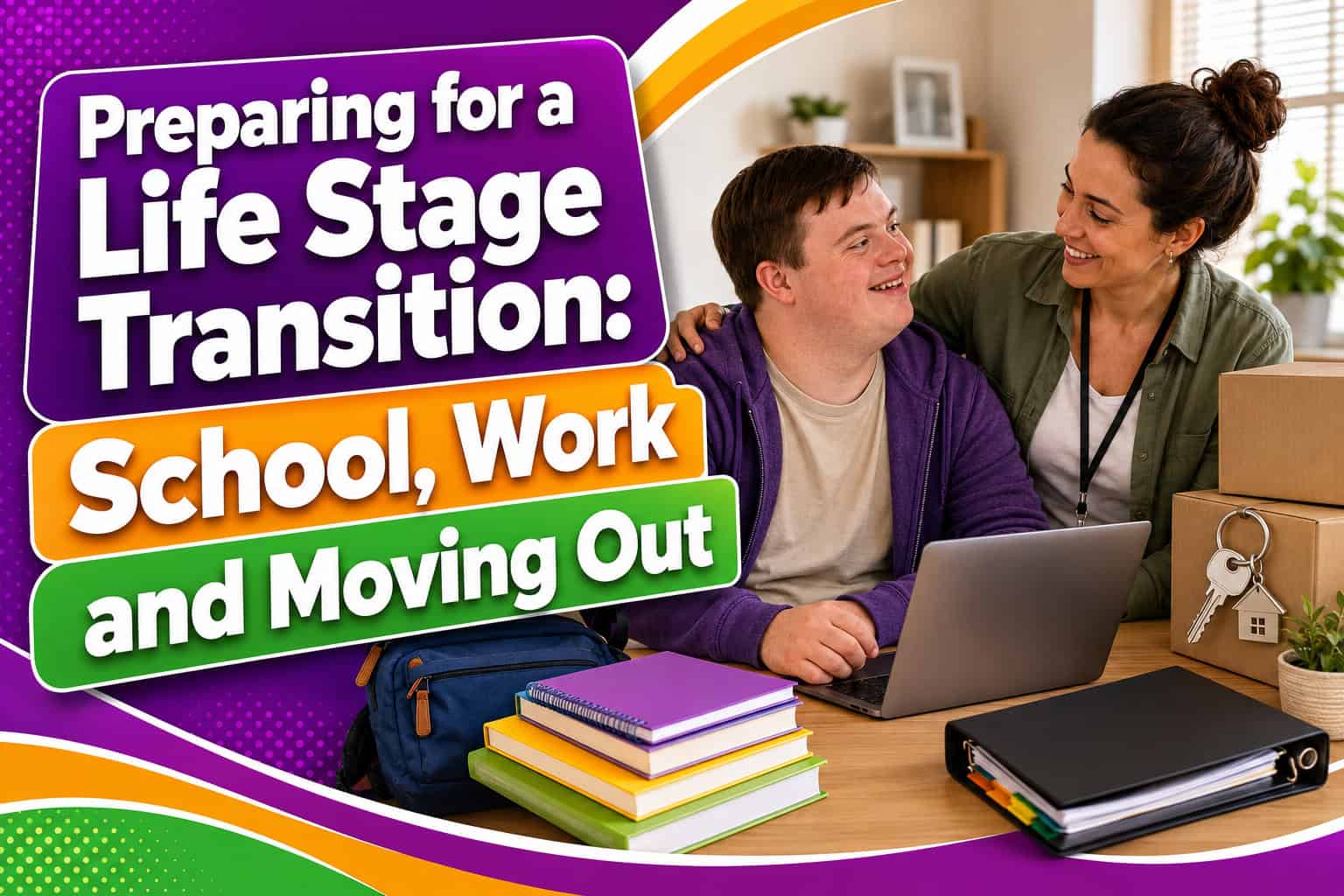
Why Transitions Deserve Their Own Plan
Big life changes, finishing school, starting work, moving out of the family home, are stressful for anyone. For NDIS participants, they often involve extra layers: new routines, new support arrangements, and sometimes new funding categories. Planning ahead makes a real difference to how smoothly a transition goes.
Start Earlier Than Feels Necessary
Transitions supported by Assist-Life Stage, Transition funding work best when planning starts well before the actual change, not once it's already underway. That gives time to build relevant skills, coordinate with schools or employers, and adjust support gradually rather than all at once.
Questions to Work Through With Your Support Team
- What does a typical week look like after the transition, and how is that different from now?
- What skills need to be built beforehand to make the new routine manageable?
- Who else needs to be involved, schools, employers, or a new living arrangement provider?
- How will support be adjusted gradually rather than switched overnight?
It's Normal for the Plan to Change
Transitions rarely go exactly to plan. Reviewing progress regularly and adjusting the approach is a normal, expected part of the process, not a sign that something has gone wrong.